
Urban Agriculture Advocacy
In December 2025, the City of Atlantic City approved “Ordinance to Amend Chapter 163 Land Use Development Ordinance of the City of Atlantic City to Implement the Urban Agriculture District Overlay Zoning District, “ which allows urban agriculture in residential, commercial, and resort zones, paving the way for the redevelopment of undersized and underused private and city-owned lots
Under the ordinance, raised beds, urban farms, hydroponic gardening, rooftop and community gardens, as well as composting and rainwater collection, would be allowed under certain conditions. The ordinance gives the city's planning department the authority to approve agricultural uses on vacant city land, as well as on privately owned property or in single-family, multifamily, commercial, or tourist zones.
GCAC’s Role
The initial writing of the ordinance was a collaborative effort inspired by the GCAC members. Important stakeholders included the City of Atlantic City Planning and Development Department, the Solicitor's Office, Rutgers University Cooperative Extension’s New Jersey Agricultural Experimental Station, Meredith Taylor, KEAN University’s John S. Watson Institute for Urban Policy and Research and Garden Preservation Trust Chair Alex Rivera, Vermont Law and Graduate School’s Center for Agriculture and Food Systems Liz Turner, and C.R.O.P.S.'s Executive Director and GCAC co-founder Lisa Newcomb.
“There is a strong desire from urban farmers to grow food for their neighbors, and some of the biggest challenges are access to land and water,” stated Lisa Newcomb, Executive Director of C.R.O.P.S., a non-profit organization that focuses on alleviating food insecurity in Atlantic County. “The Overlay will provide easier approval for urban farmers to commercially farm.”
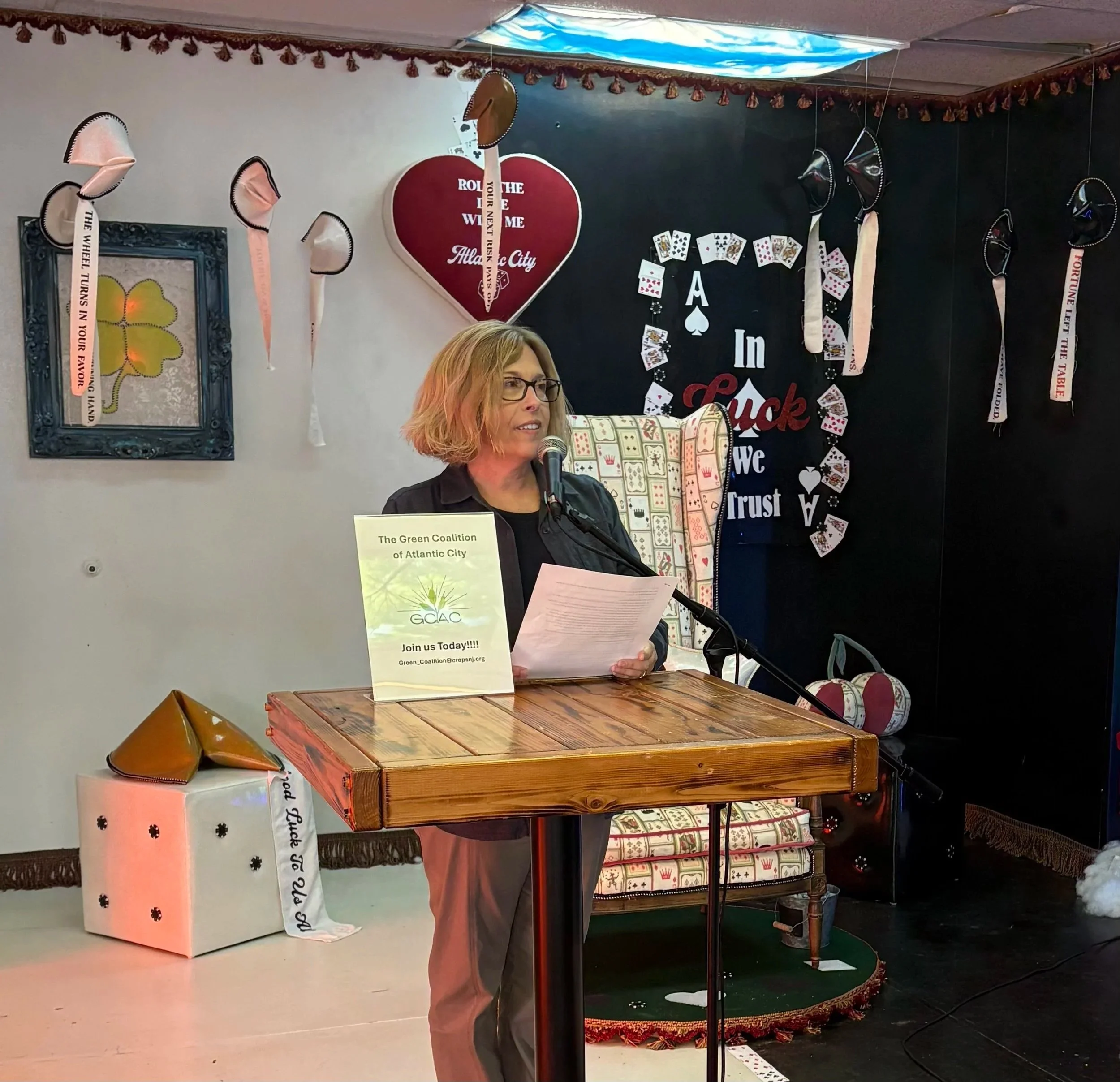
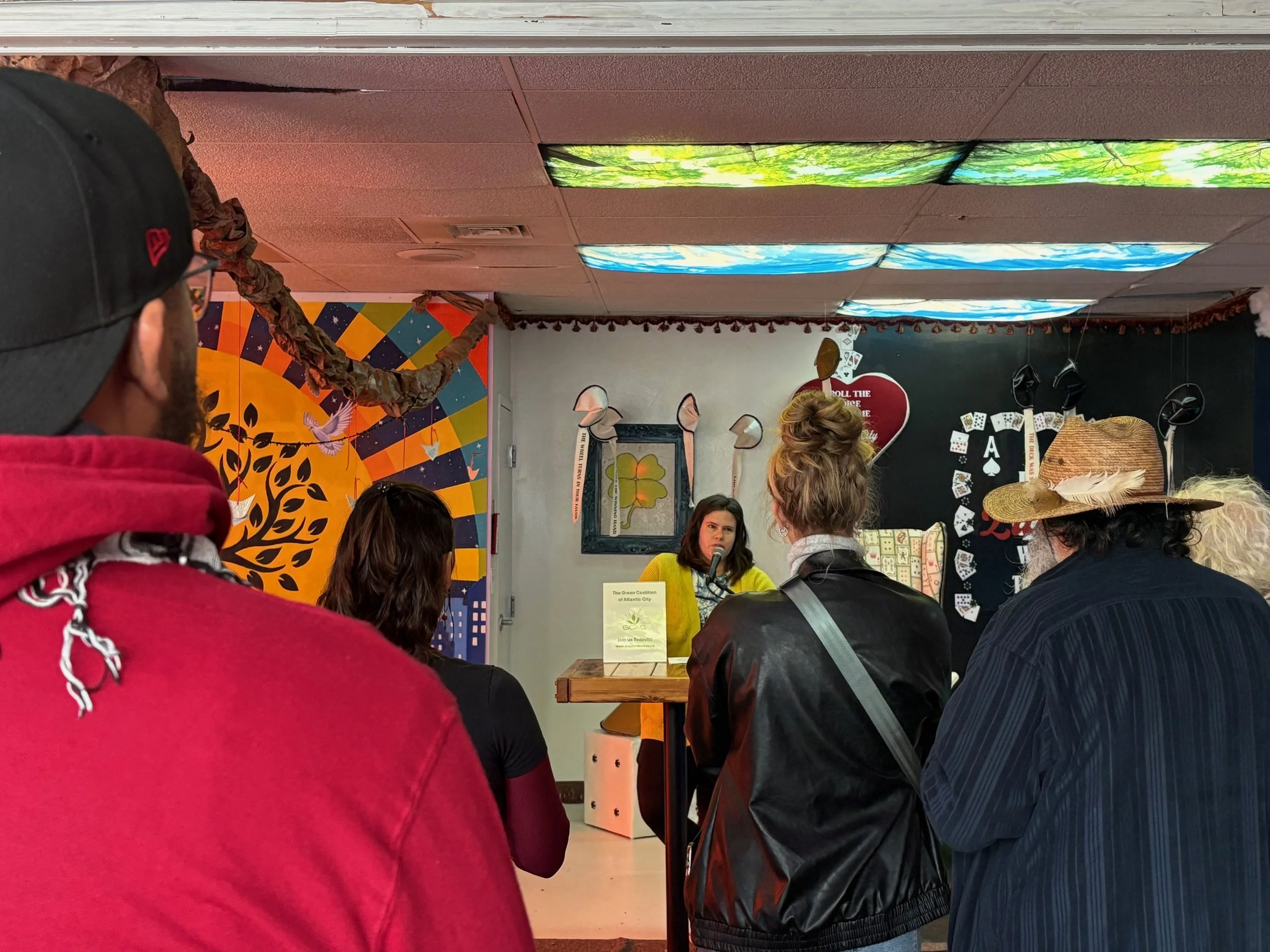
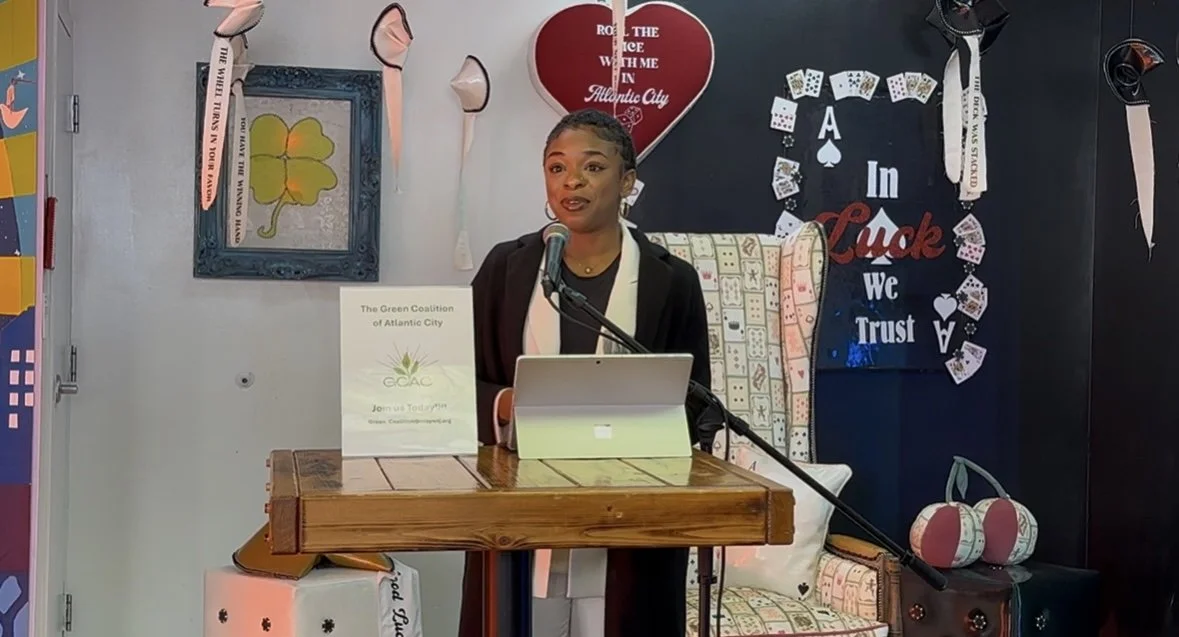
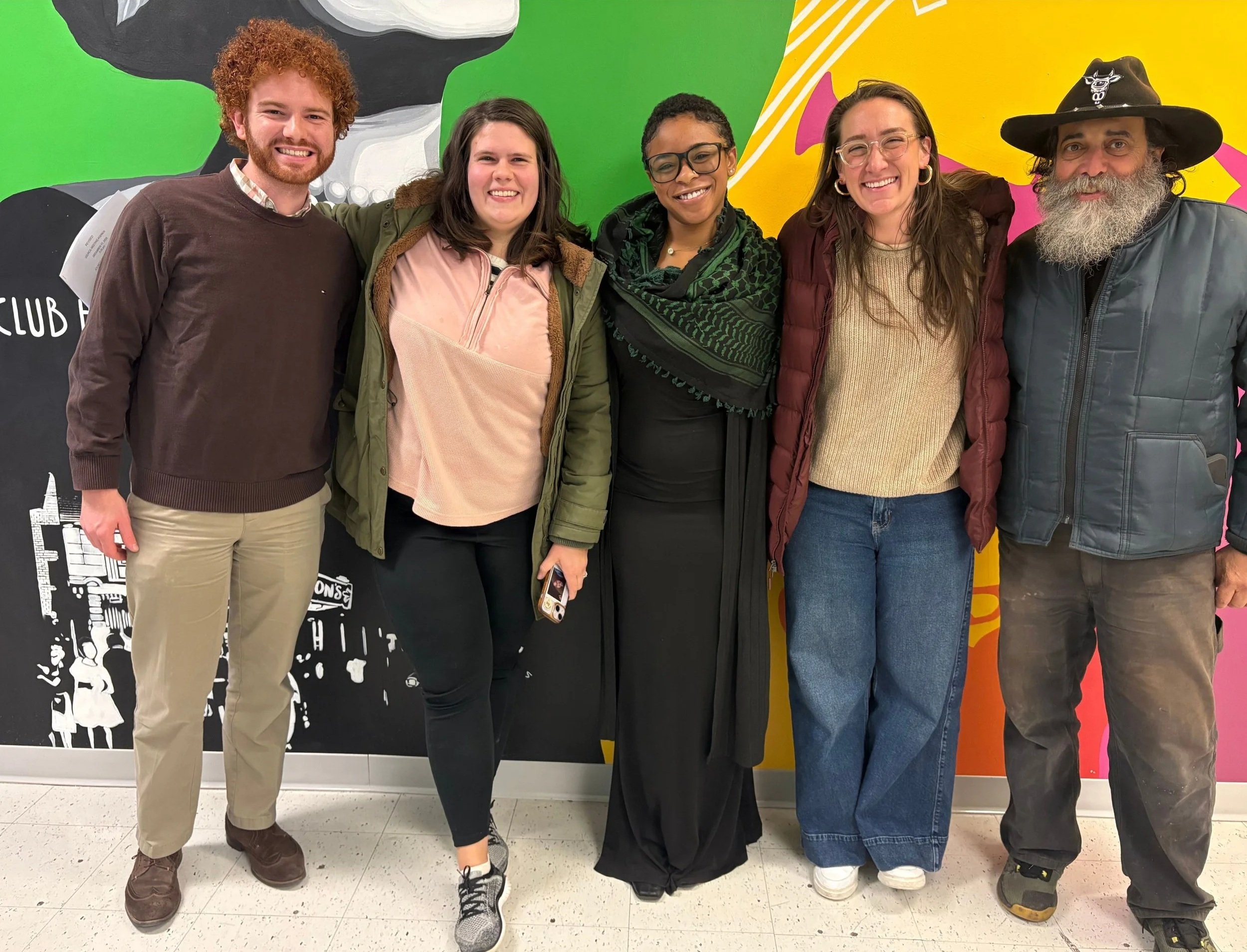
The GCAC held a press conference in November 2025 to share support for the local ordinance and a state-level urban agriculture bill.
